
Past human dynamics
- Early Paleolithic in Eastern Africa
- Middle Paleolithic in the Levant
- Paleolithic in the Iberian Peninsula
Eduardo Paixão, archaeologist
I study stone tools to understand how early humans lived, worked and made decisions, from the Early Paleolithic of Eastern Africa to the Levant and Iberia.
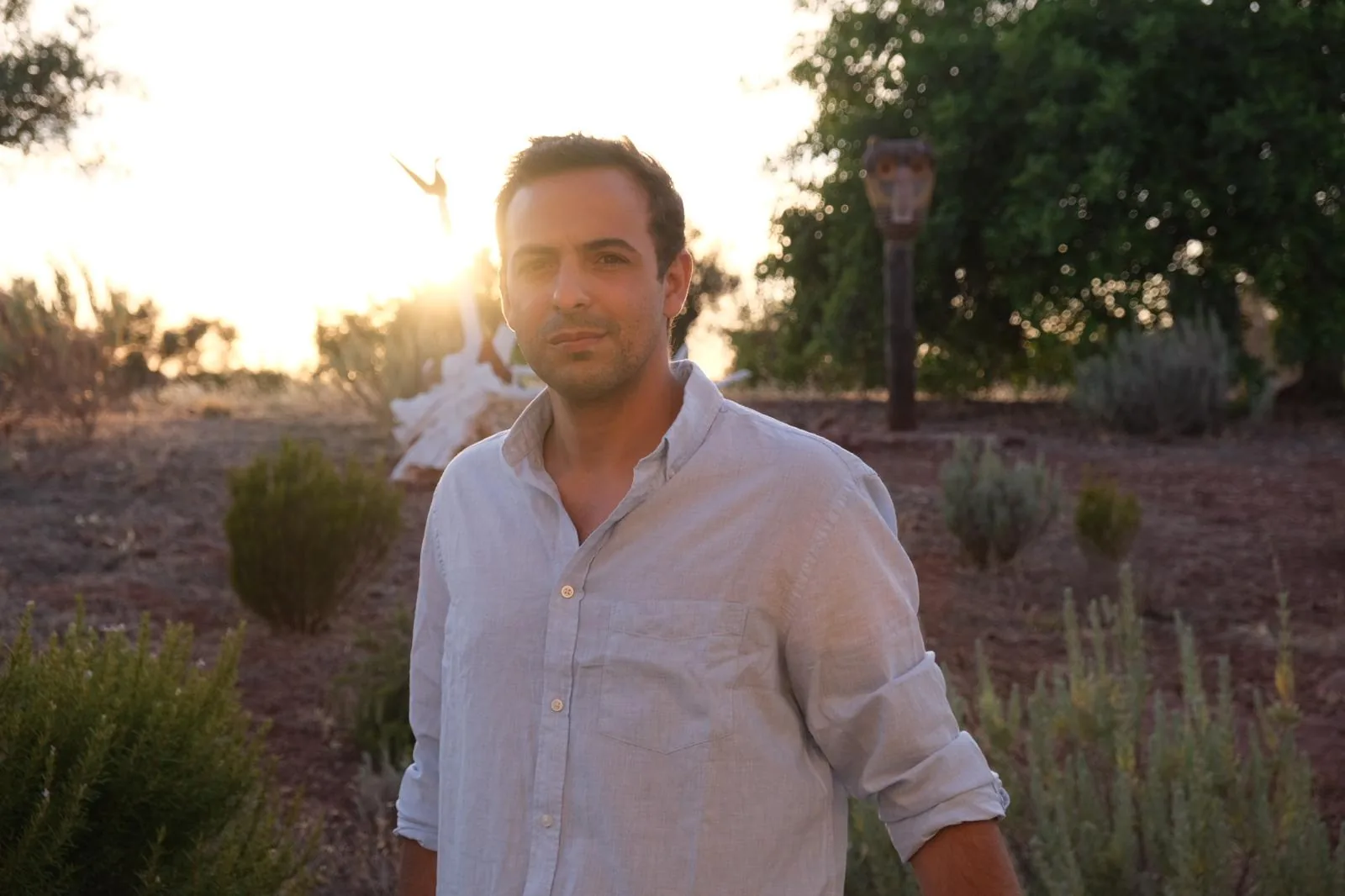
I'm an archaeologist at ICArEHB, the Interdisciplinary Center for Archaeology and Evolution of Human Behaviour at the University of Algarve, Portugal, where I coordinate the research theme “Dynamics of Paleolithic People in Eurasia”. I also work with the Laboratory for Traceology and Controlled Experiments (TraCEr) at MONREPOS, LEIZA, in Germany.
My research focuses on functional analyses of stone tools as a bridge to explore the dynamics and behaviours of prehistory, and on the development of new analytical approaches.
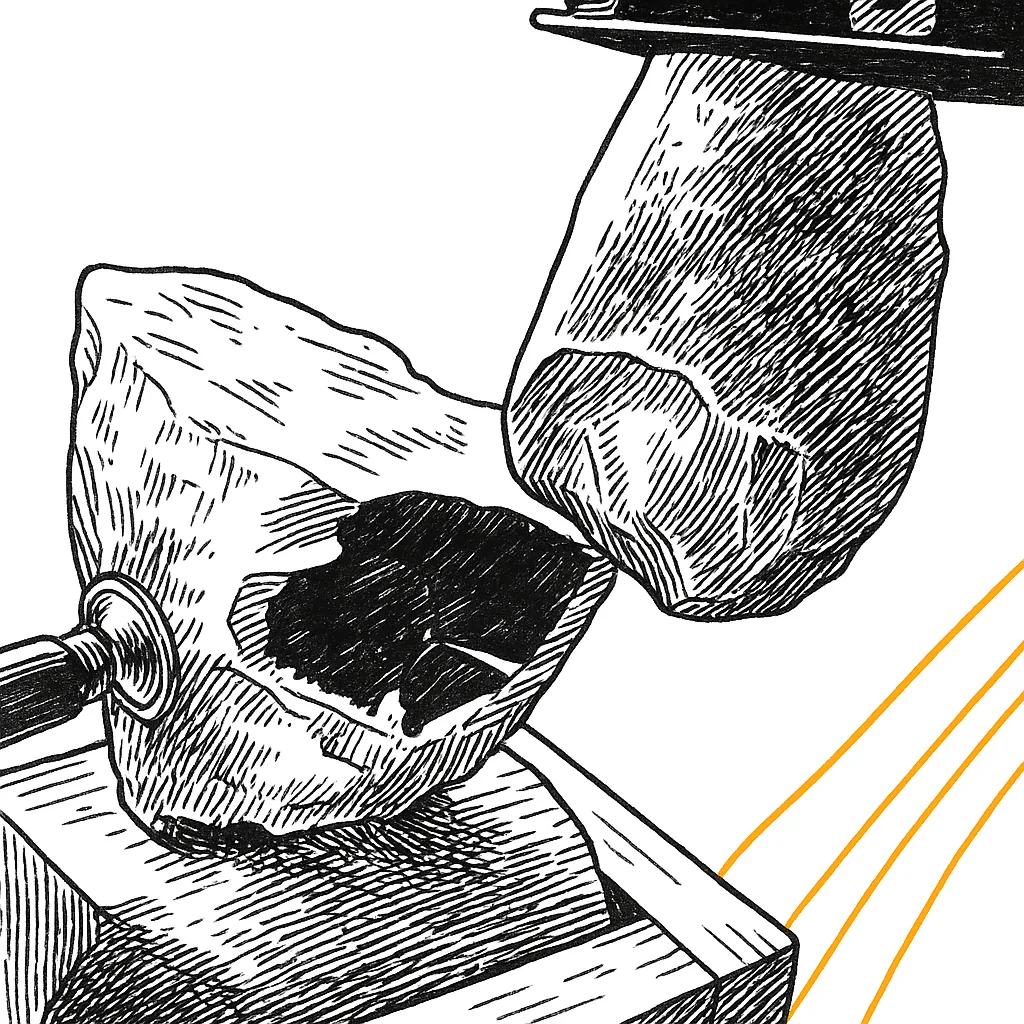

Southeastern Ethiopian Highlands
~1.6 to >0.7 million years ago
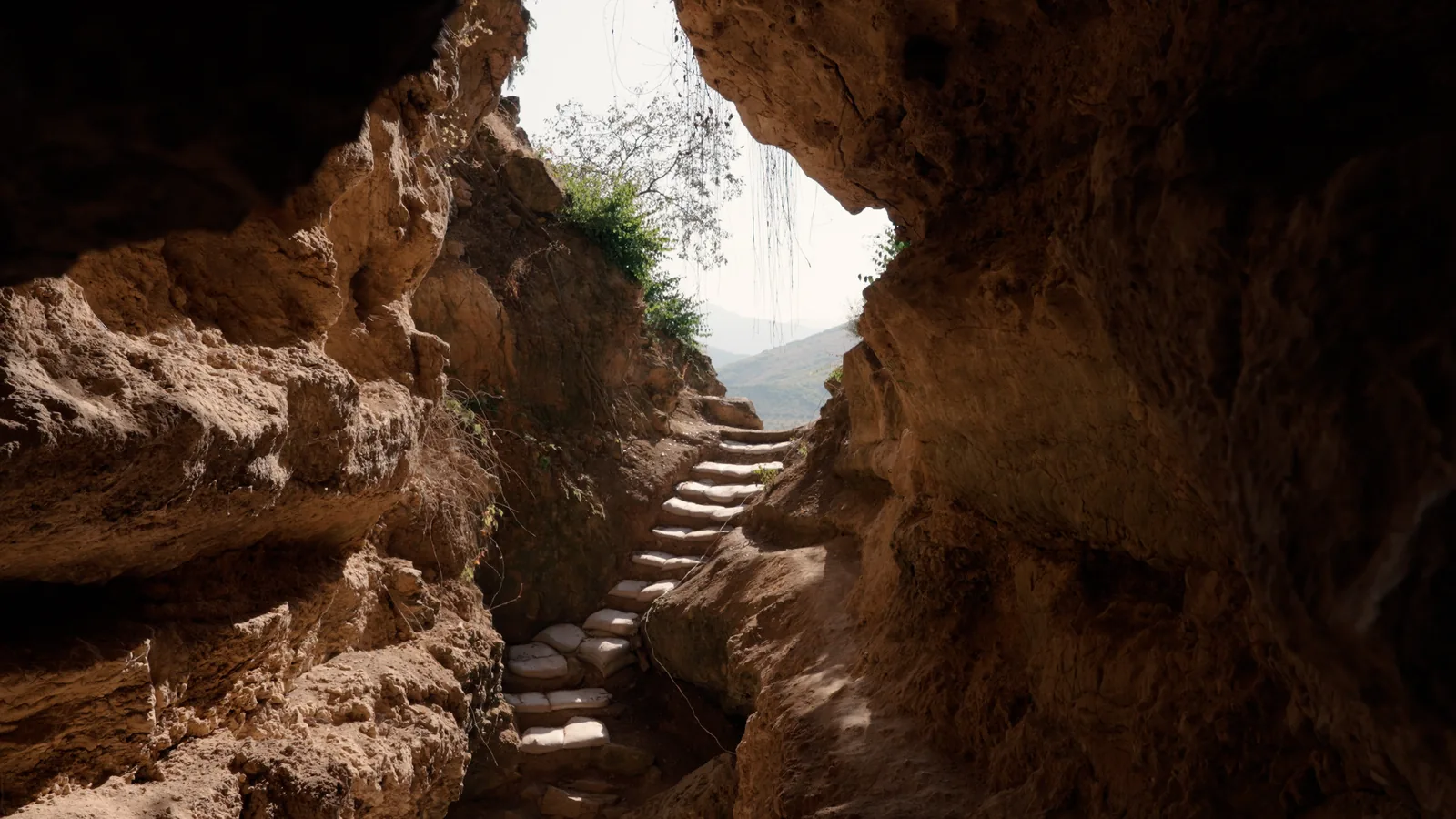
Azykh Cave and the Shusha region, Lesser Caucasus
Lower and Middle Palaeolithic
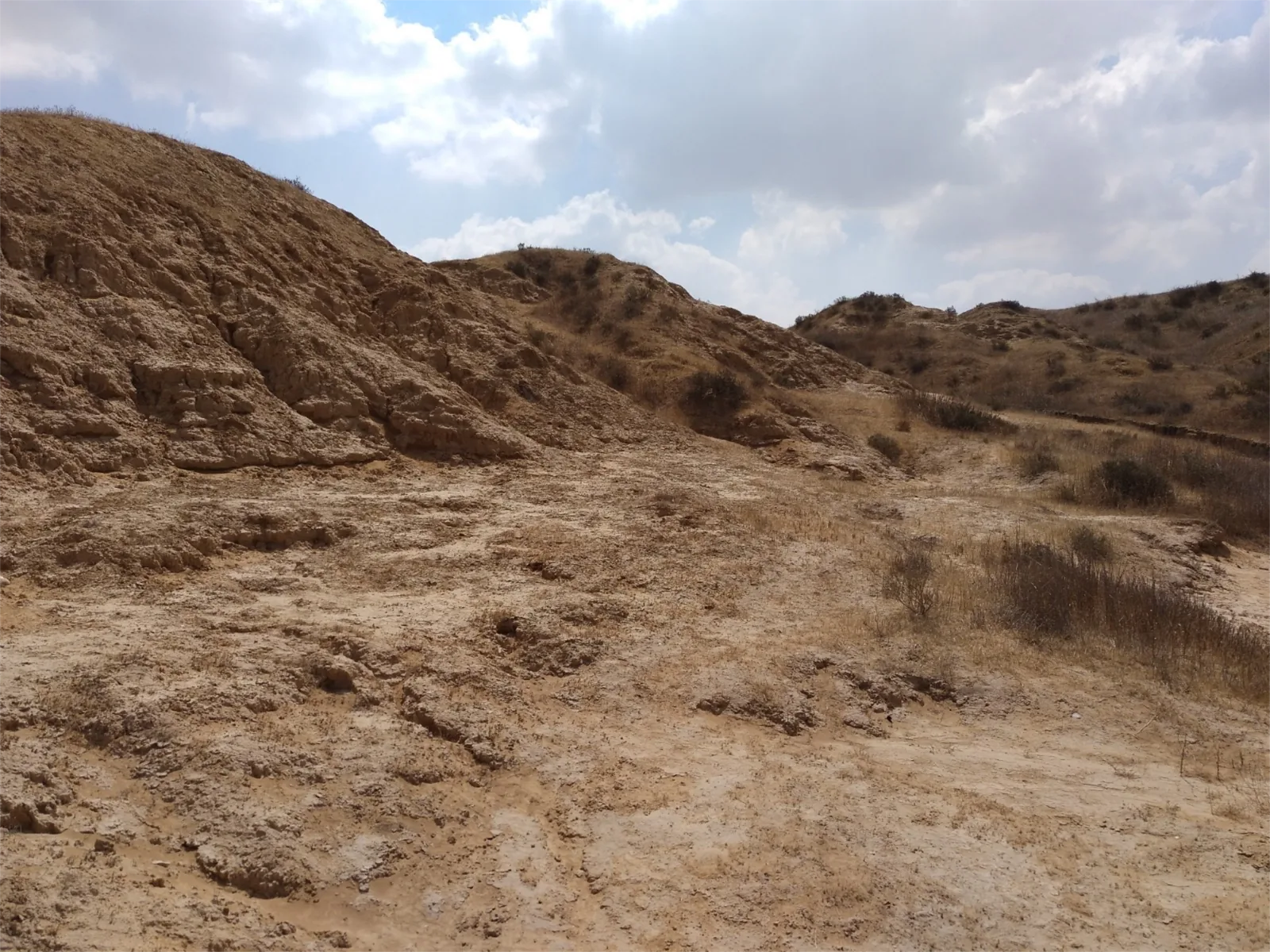
Nesher Ramla, Far‘ah II and Ein Qashish, Israel
Middle Paleolithic
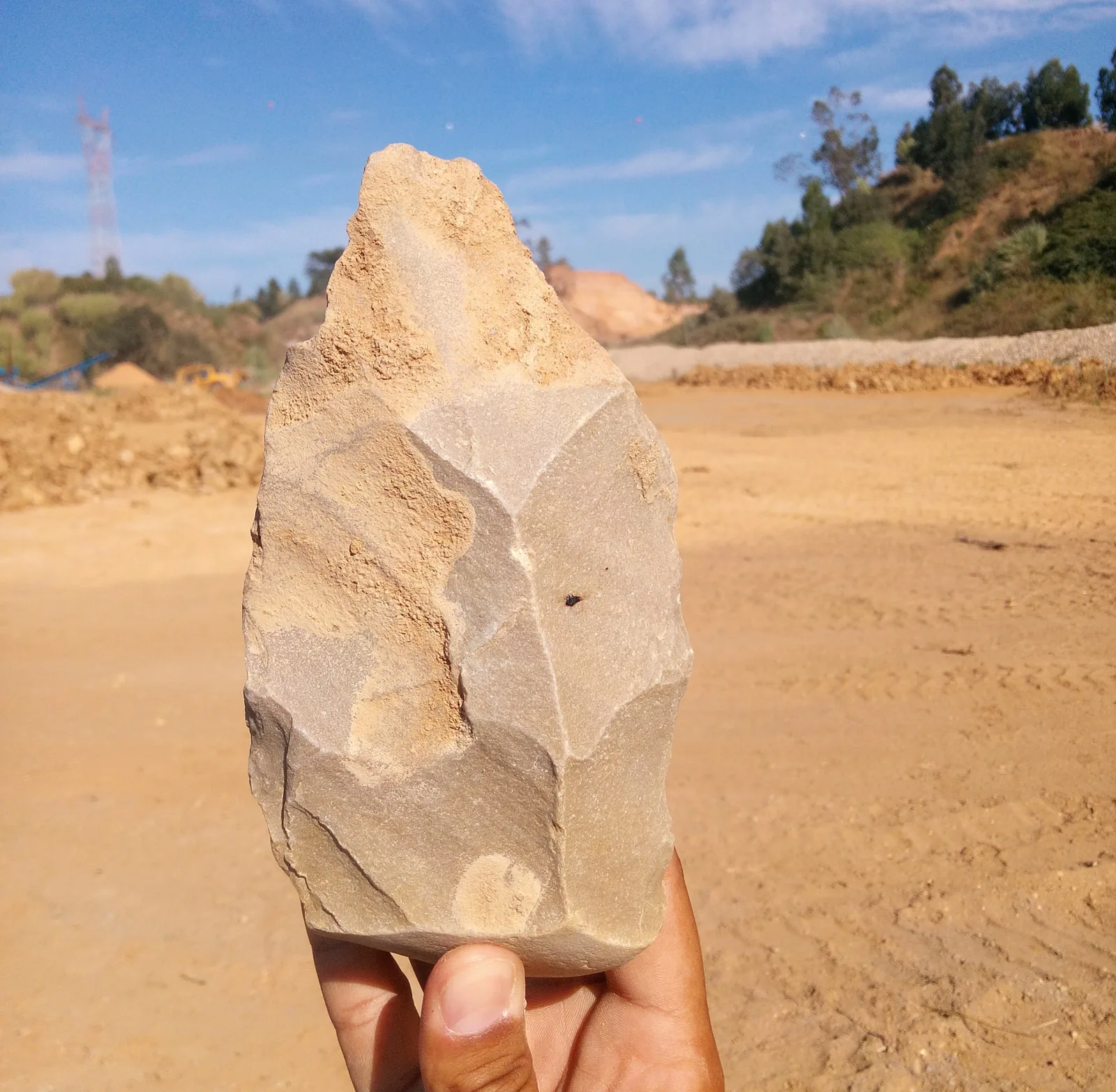
River Lis basin, Portugal
Earliest human presence to the end of Prehistory
LEIZA Publications
A high-resolution functional study of Middle Paleolithic ground stone tools from the Levant, combining controlled experiments, macro and microscopic use-wear analysis and 3D quantification. Based on my doctoral research at Johannes Gutenberg-Universität Mainz.
View the book